
This year’s EXPO CHICAGO felt a bit like running into an old friend who suddenly got quieter—but somehow wiser.
Yes, the first thing many returning art lovers noticed was the scale. The fair, now in its 13th edition at Navy Pier’s Festival Hall, arrived with roughly 130 leading galleries, noticeably fewer than previous years. And yet, what could have felt like contraction instead read more like curation. The aisles breathed. Booths had room to resonate. Works weren’t competing for oxygen so much as inviting slower looking.
In other words: less visual traffic jam, more visual conversation.
And honestly, that worked in the show’s favor.
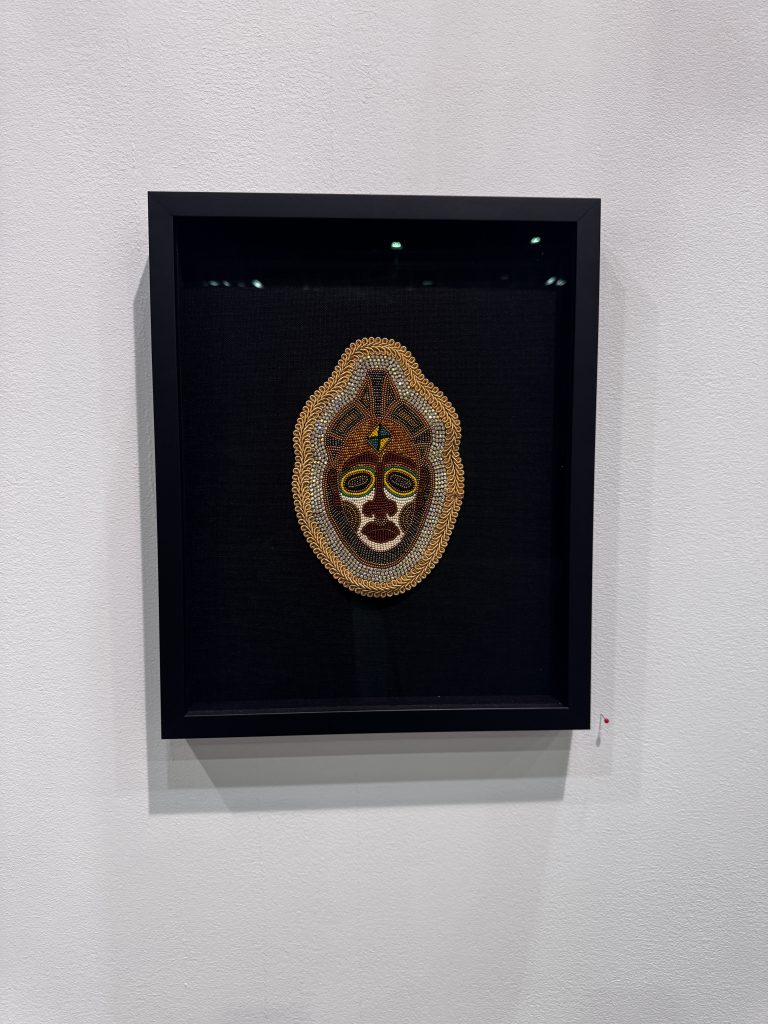
What surprised us most—and delightfully so—was the stronger-than-usual presence of American art, especially work rooted in distinctly regional and cultural narratives. While EXPO has always balanced global blue-chip presence with emerging voices, this year there felt like a deeper investment in American storytelling: material-driven abstraction, social memory, vernacular figuration, and work engaging Black, Indigenous, and urban histories with a confidence that felt less “market trend” and more “institutional shift.”
For a fair sometimes stereotyped as a collector’s speed date, 2026 had genuine moments of pause.
A lot of that may come from the fair’s new directorial leadership under Kate Sierzputowski, whose first edition emphasized rigor, local connection, and expanded collaboration with Chicago institutions. You could feel that strategy in the programming. Beyond the booths, the talks, installations, and curated sections felt less like side dishes and more like the intellectual architecture of the fair itself. The official program leaned heavily into artist conversations, curator-led discourse, and citywide activations during EXPO ART WEEK, reinforcing the sense that the fair wanted to spill beyond Navy Pier and into Chicago’s broader cultural bloodstream.
And Chicago showed up for it.
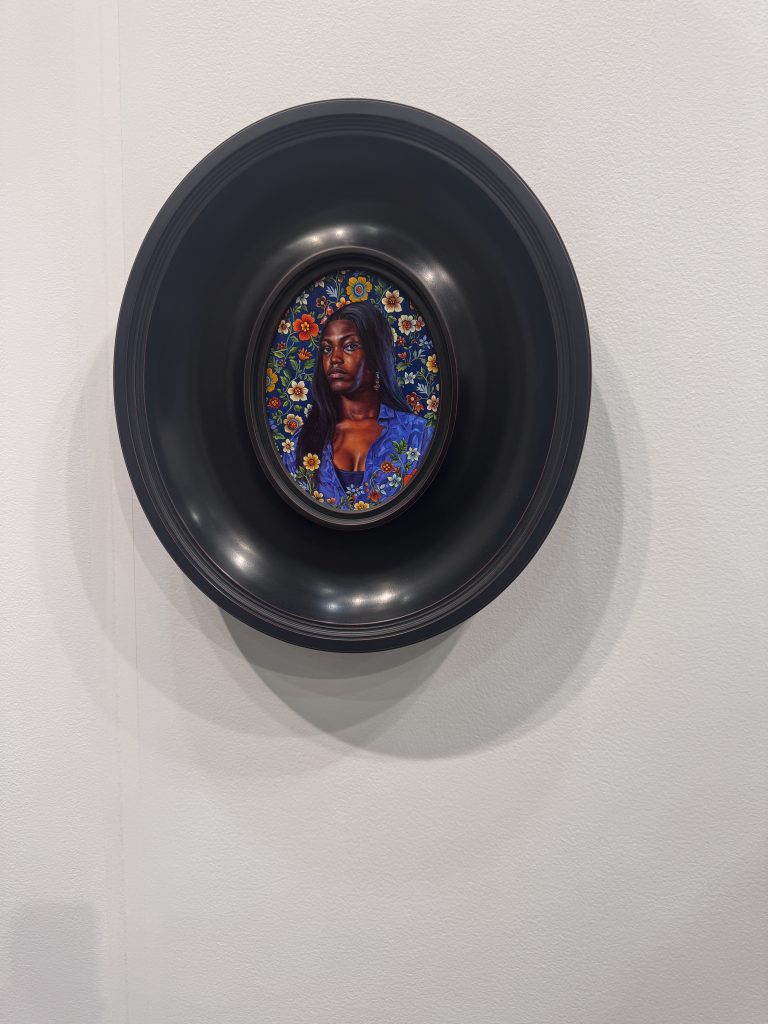
The citywide ecosystem surrounding the fair may have been just as exciting as the main floor. South Side gallery nights, Gold Coast apartment exhibitions, museum tie-ins, and late-night openings turned the week into a true urban art pilgrimage. It reminded us that the best art fairs are never really about booths alone—they’re about momentum, collisions, and the conversations that continue over dinner three neighborhoods later.
The humor of EXPO, of course, is always watching people try to look casual while mentally calculating whether they can fit a monumental sculpture into a one-bedroom condo.
But beneath the collector choreography, this year’s fair felt refreshingly grounded in quality over quantity.
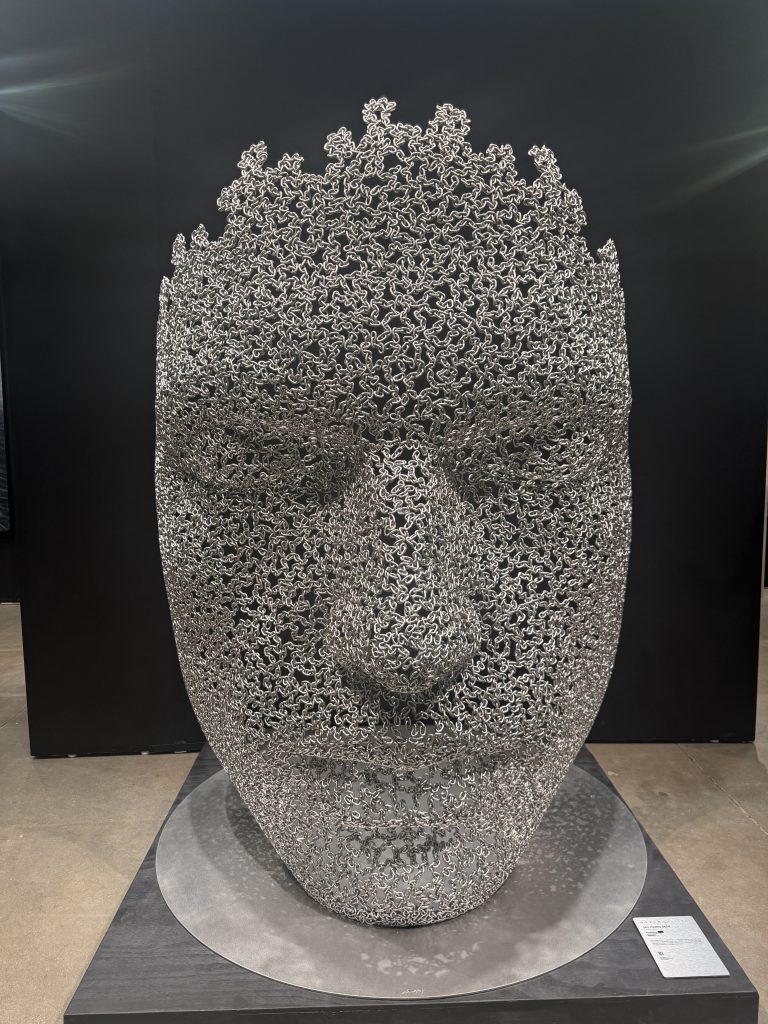
A smaller show can expose weaknesses fast. Thin fairs feel emptier, not sharper. But EXPO 2026 largely escaped that trap because the work itself held its own. There was less filler, fewer booths that felt like visual wallpaper, and more presentations with a clear point of view.
That’s the magic of a tighter fair: every booth has to say something.
And this year, many did.
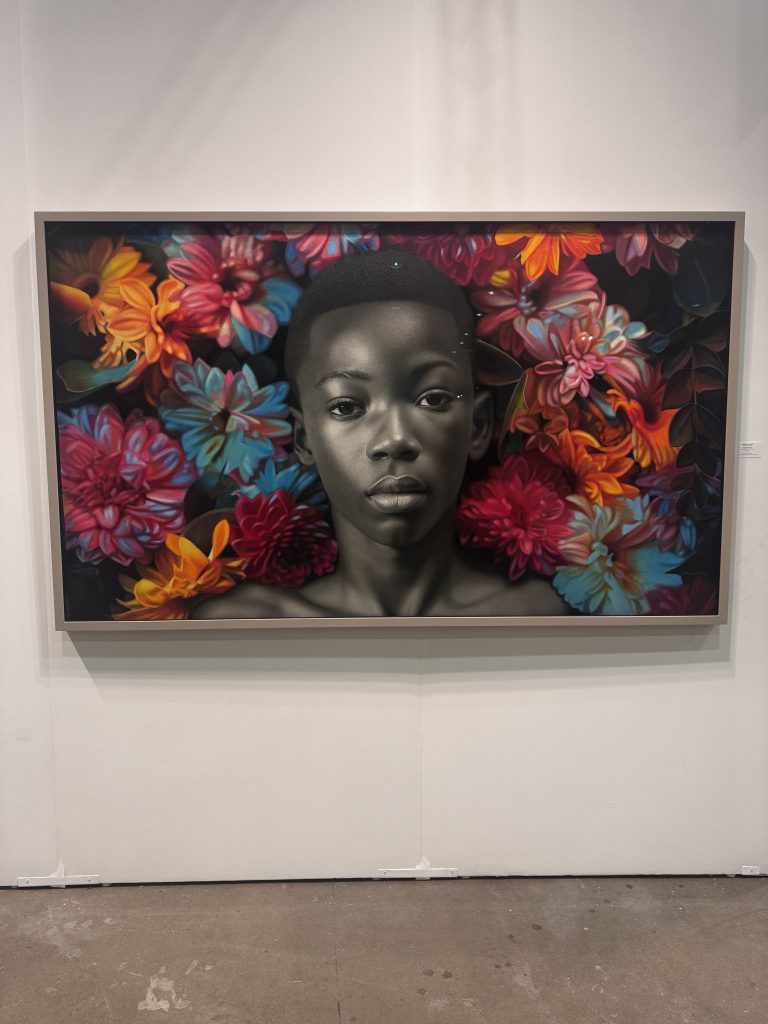
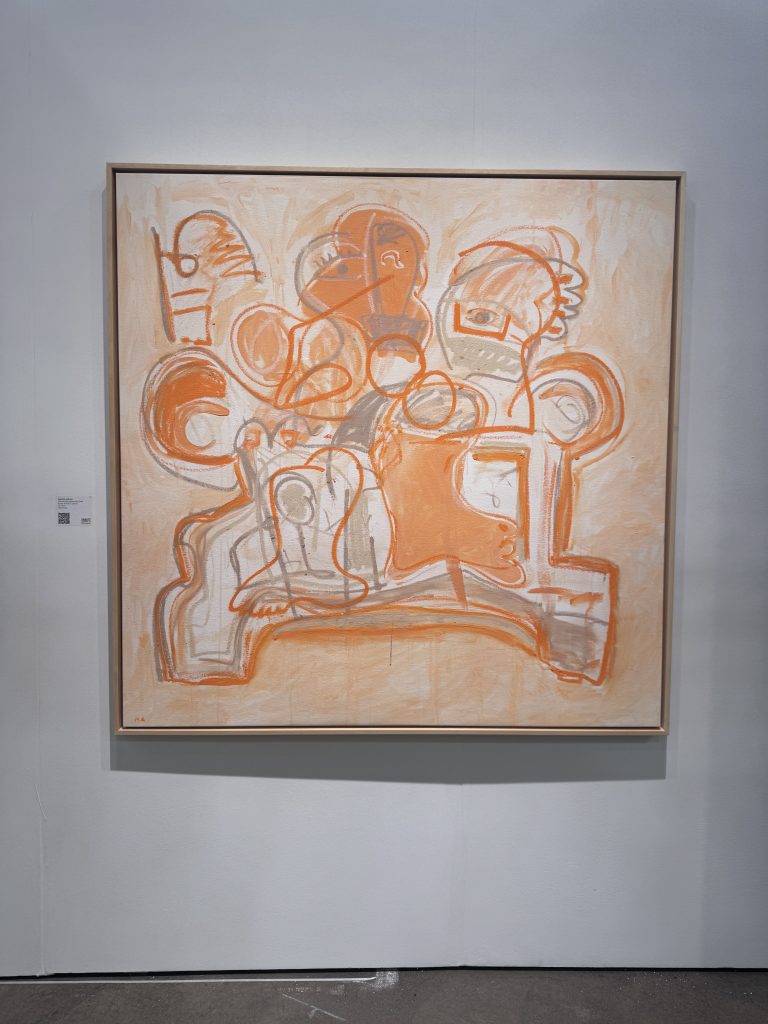
What lingered most after leaving Navy Pier wasn’t the sense that EXPO was smaller. It was the sense that it was more intentional—more Chicago, more intellectually generous, and more willing to foreground American voices in ways that felt timely and necessary.
If previous editions were about scale and spectacle, 2026 was about depth.
And for art lovers, depth always ages better than size.